Biography
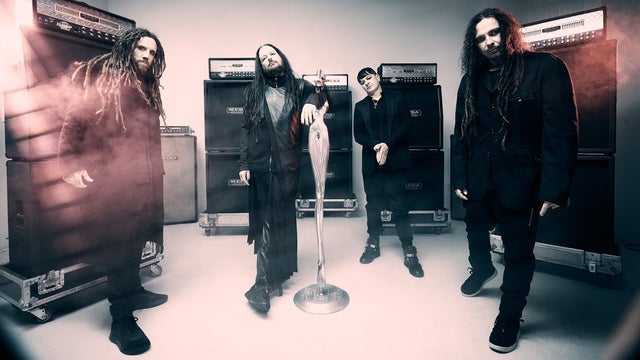
Origins — L.A.P.D.
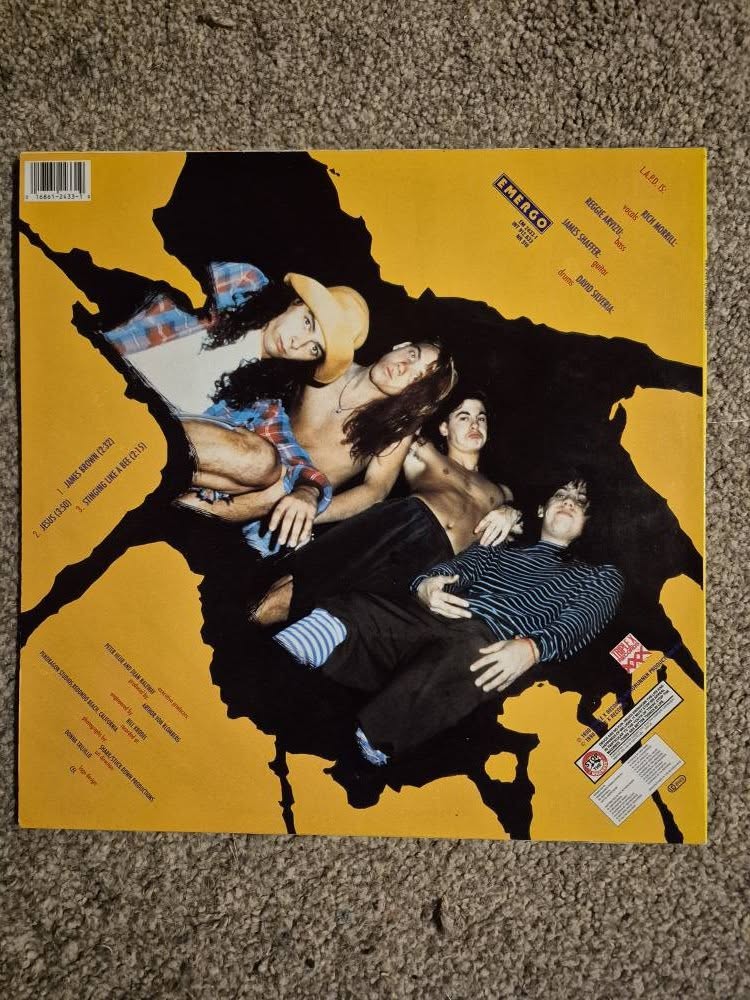
At the base, a quartet — L.A.P.D. — which formed three-quarters of the musical backbone of Korn: David Silveria on drums, Reginald Arvizu on bass (first nicknamed Garfield, then Fieldy), James « Munky » Schaffer on guitar, and the unknown Richard Morales on vocals.
Based in Bakersfield, a few miles east of Los Angeles, the group quickly realized it was not helped by the city's strategic and cultural limitations.
After releasing a three-track EP ("Love and peace, dude") and an album ("Who's laughing now?") under the Triple X label, the group dissolved in 1993 into anonymity. But the Phoenix was already ready to rise from the ashes of this soft hardcore band.
Jonathan Davis & Sex Art
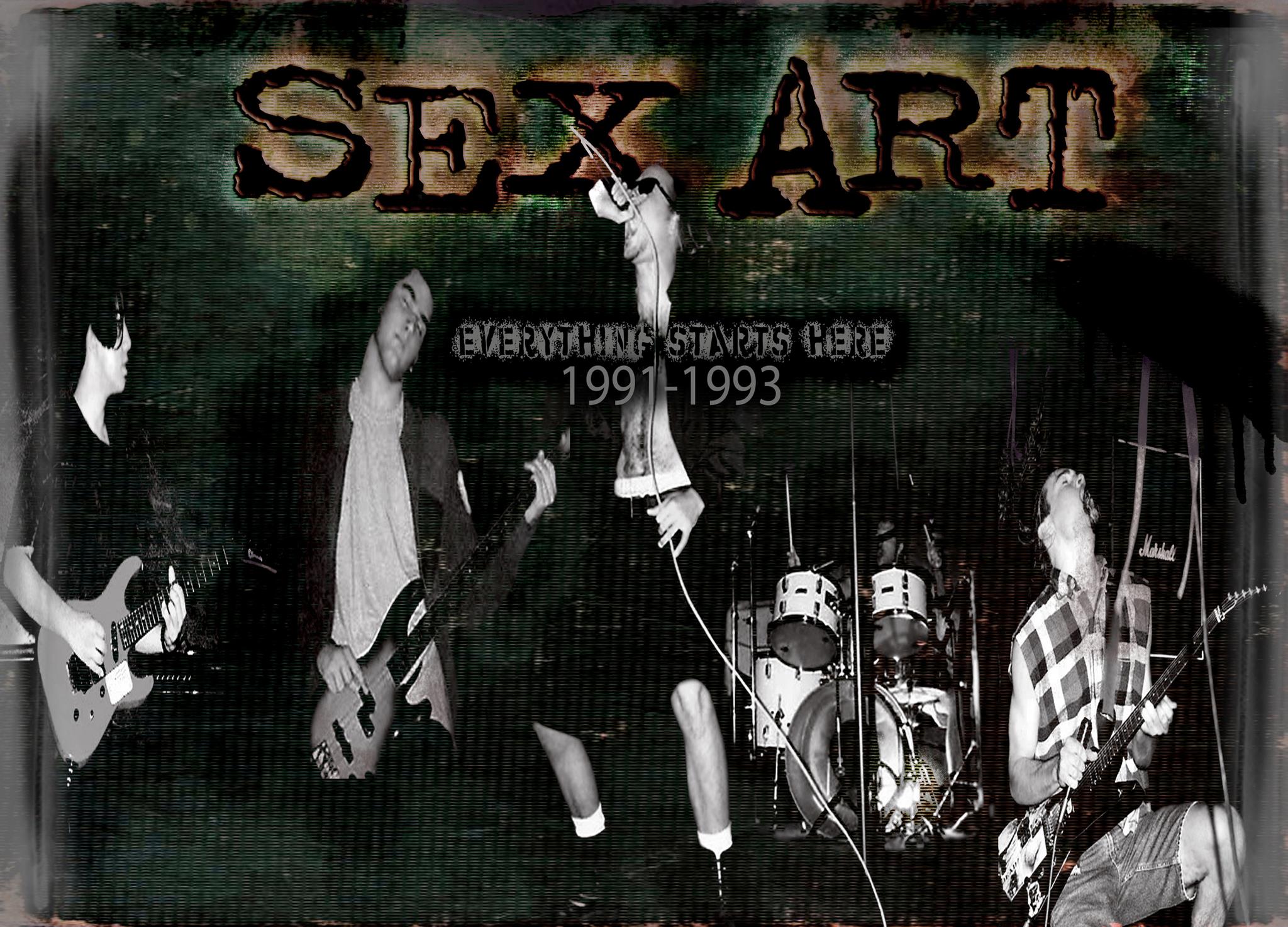
He lay dormant in another local band. Jonathan Davis was splitting his time between dissecting corpses at the Kern County morgue and playing in a sub-grunge band called Sex Art, whose sole demo seemed to have the hardest time getting any attention.
Shortly after, his arrival at the rehearsal space of the former L.A.P.D. members reset the clock, confirming the quality of this new lineup, which had previously been bolstered by Brian « Head » Welch, Munky's childhood friend and guitarist.
The Birth of Korn
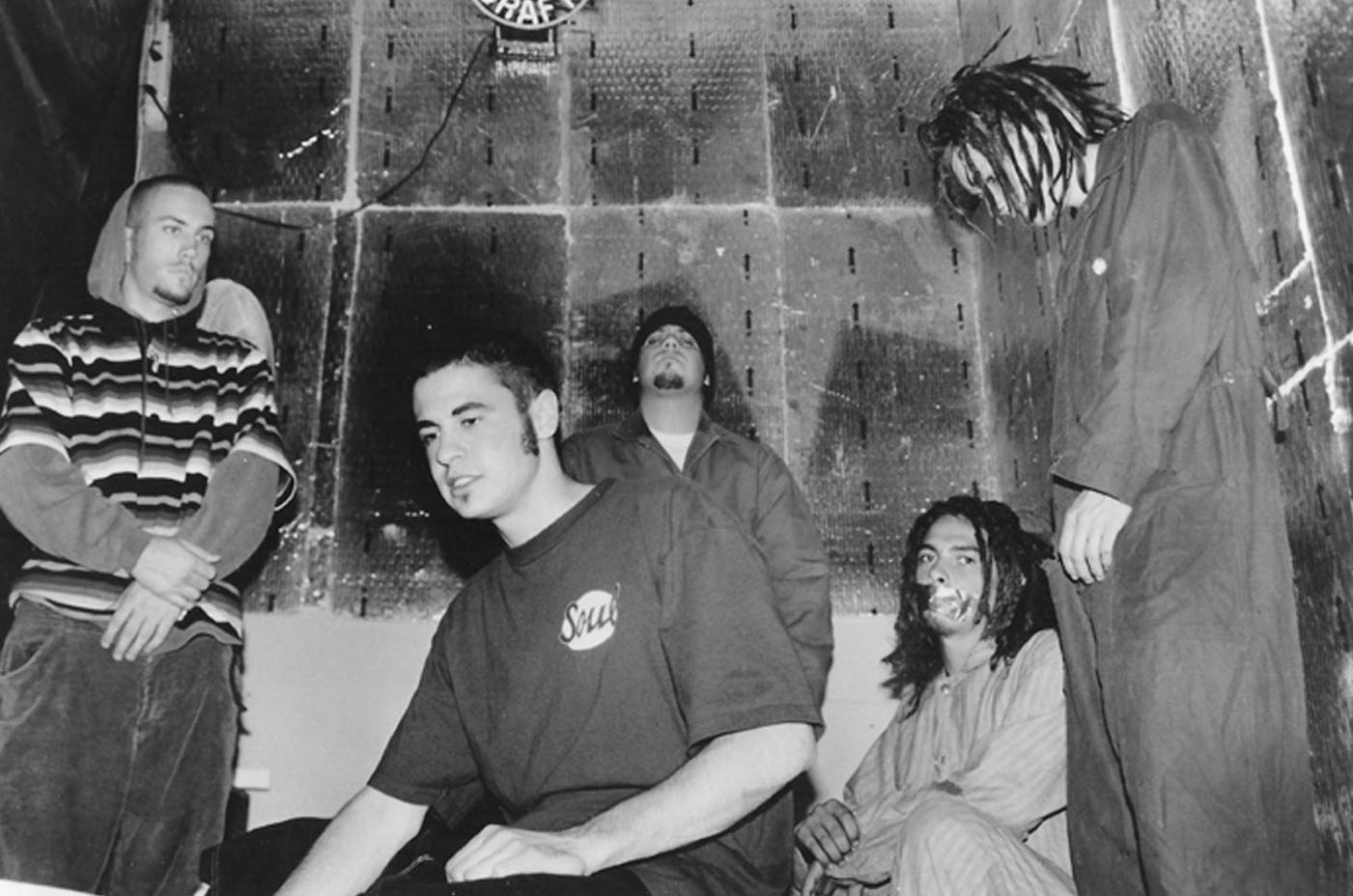
The established lineup would prove to be the right one. First called Creep, the band quickly renamed itself Korn.
In retrospect, it seems difficult to determine whether it was the melting pot of influences that forms the band that is at the root of this new style born with them, or the singular story of a singer whose distress stems from a purely chaotic childhood: Jonathan Davis had an unparalleled experience of schoolyard mockery and sexual abuse from his stepmother.
The other band members were also open to other styles (hip hop, jazz, experimental, disco, electronica...), but it was their metal that would quickly bring everyone together — eldest son of the Faith No More, Red Hot Chili Peppers, and Rage Against The Machine generation, to whom they would be wrongly compared too hastily.
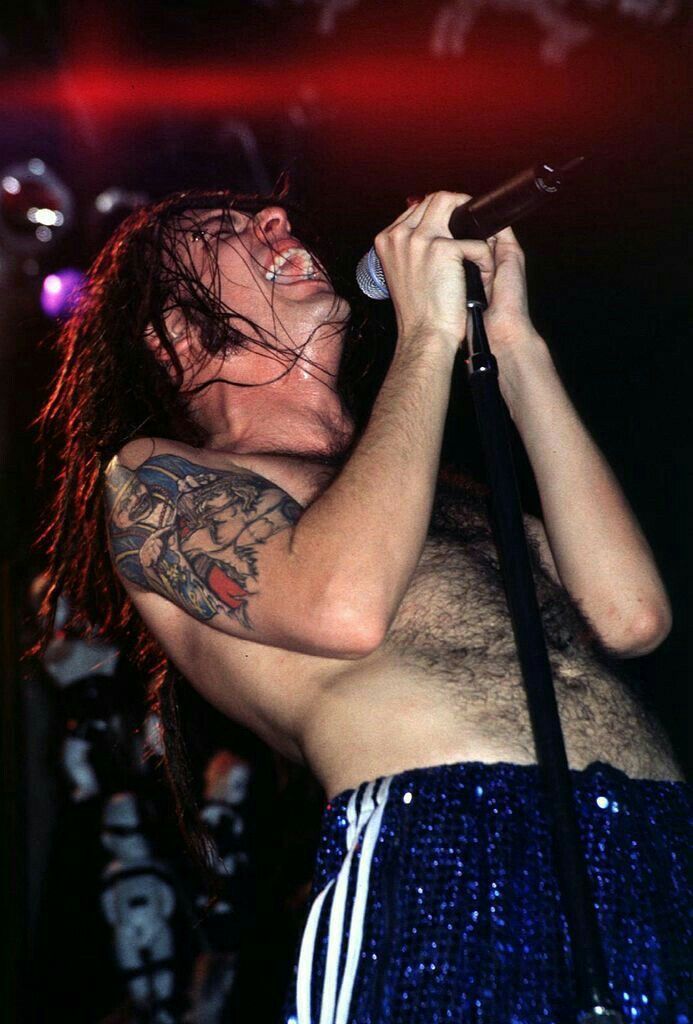
Recognition — 1994
Immortal Records, led by the energetic Happy Walters, would be the first label to take an interest in Korn. He was opening a remarkable metal chapter, as his earlier releases had been more rap-oriented — none other than the first Funkdoobiest and the Judgment Night soundtrack.
In 1994, when the Korn album was released, American kids found themselves in Jonathan Davis. In the wake of Kurt Cobain's death, he was the first to offer — within so-called "aggressive" music — a deeply human attitude and vocal style, setting himself apart from peers like Phil Anselmo or Max Cavalera.
Korn went on to tour publicly, opening for bands as diverse as Danzig, House Of Pain, Megadeth, KMFDM, Cypress Hill, and Foo Fighters.
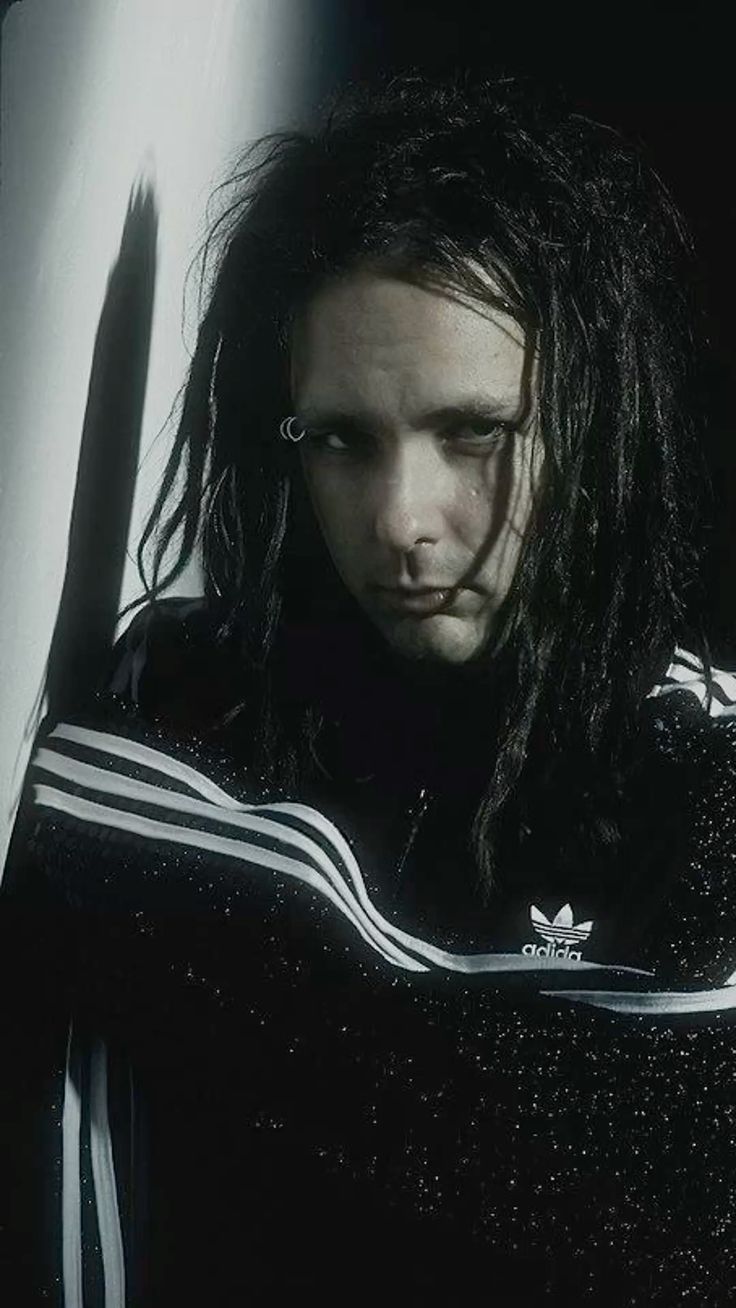
Korn's Imagery
The imagery and themes the band would develop on stage and on record explored clichés as dark as incest and drugs, but always rendered through lived experience and traumatic events.
Thus, Korn harbors treasures of fragile sincerity like « Need To », « Faget », or the terrifying « Daddy », at the end of which Jonathan Davis subjects the listener to an unbearable session of... real tears.
It is probably the track that best represents Korn of that era: raw and almost masochistic in its evocation of pain, made all the more concrete by Ross Robinson's 3D production.
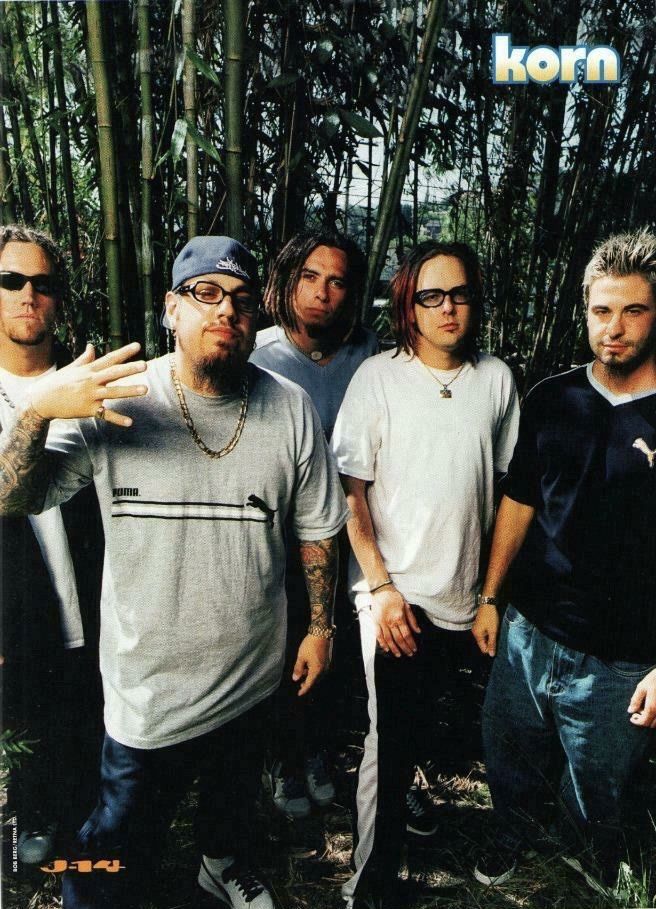
Post-Adolescent Metal
Shortly after, Korn began touring relentlessly, and it would take the release of Life Is Peachy a year later for fame to finally arrive. A year during which many bands would attempt to appropriate Korn's metal recipe, starting with Sepultura, who invited Jonathan Davis on the extraordinary « Lookaway » (Roots, 1996).
A path followed since by a plethora of other bands: Cold, Limp Bizkit, Soulfly... The only ones standing out from this pack being the Deftones, to whom — alongside Korn — one can unquestionably attribute the parentage of this "new metal".
Korn's debut album would easily reach one million copies sold. Without knowing it, Korn had invented the metal of post-adolescent malaise, with savage seven-string guitar riffs, sincere screams, and sadistic clown tattoos.
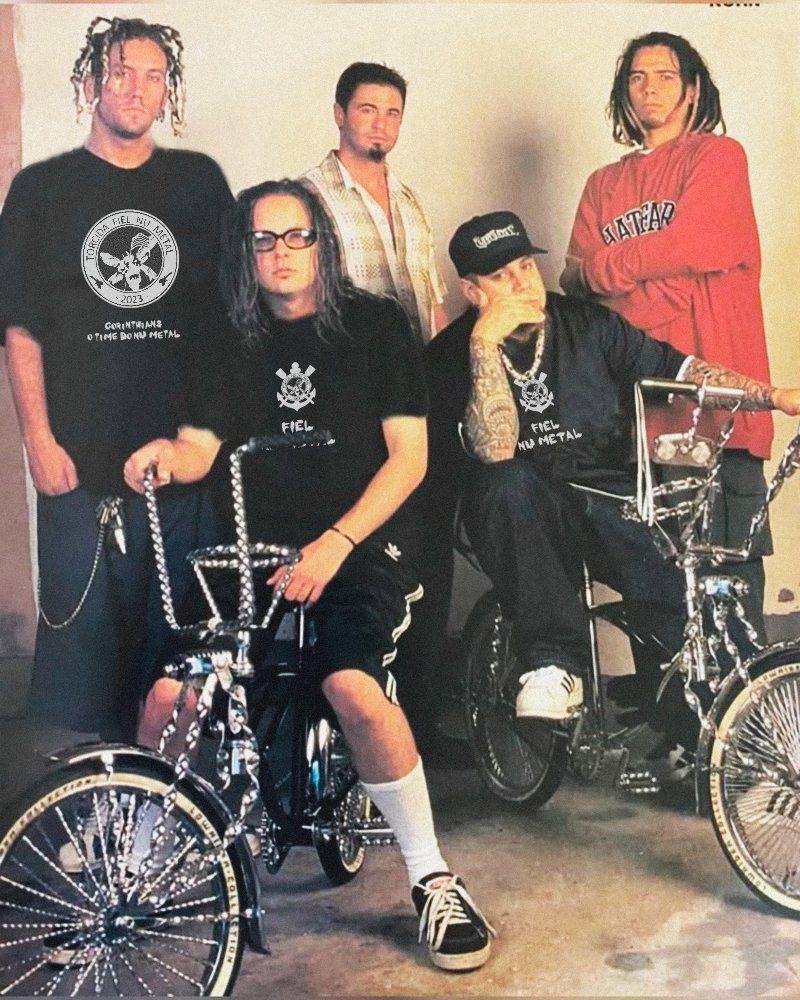
Life Is Peachy — 1996
1996 was therefore the year of recording "Life Is Peachy", which Europe discovered head-on, very quickly taking to this visceral music.
From October, kids around the world were obsessed with this band of genius whose new tracks « Twist », « Good God », or « Kill You » immediately consecrated them as the next band to follow. A trend confirmed by the ensuing tour, alongside new Immortal label acts, the funk-metallers Incubus and the ska-punkers The Urge.
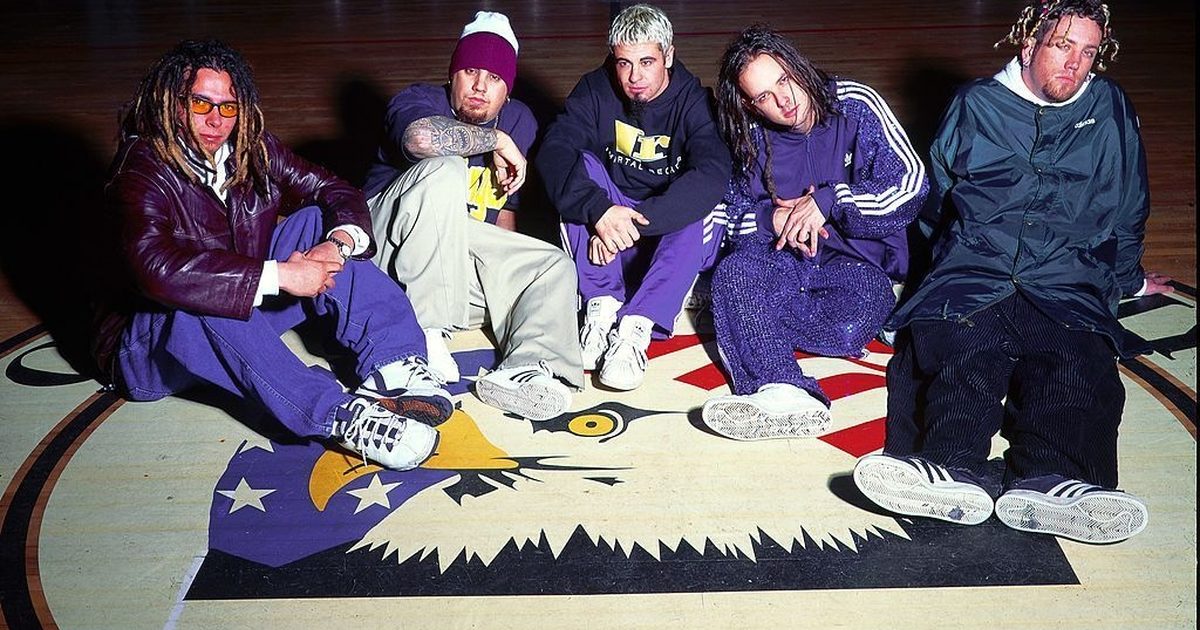
Less layered and darker than its predecessor, "Life Is Peachy" nonetheless won the majority of 1996's polls, while Korn embarked on an American tour opening for — hold tight — Metallica, and launched their new buddy band, Limp Bizkit.
Death to Show Business Hypocrisy
Korn's concern would henceforth be to do nothing like anyone else. Talk quickly spread of a new style, a new producer — when many saw Ross Robinson as the band's sixth member — Steve Thompson.
Korn was now free to manage its multiple activities: Fieldy signed remixes for Limp Bizkit and the Lordz Of Brooklyn, and the band simultaneously created their own label, Elementree, distributed by Reprise Records. Orgy was the first group launched, at the intersection of Nine Inch Nails and Depeche Mode.
Leveraging their connection with fans, Korn set up a camera in their studios, and every Thursday, fans could peek into the band's private life online via the "Korn After School Specials". Rarely have fans been so close to their stars.
Follow The Leader — 1998
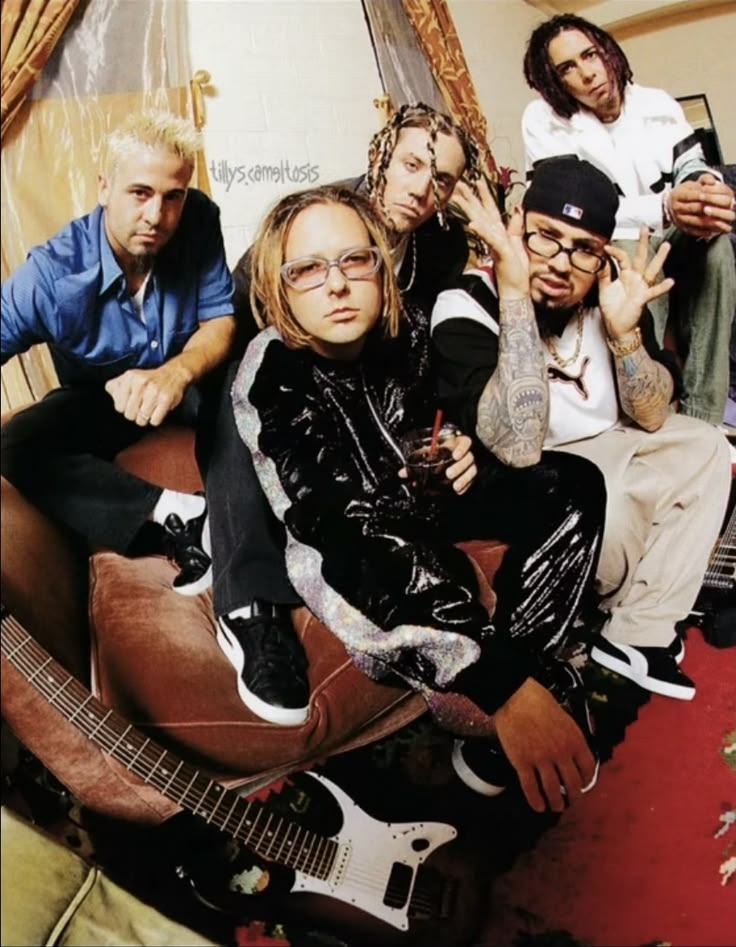
When the aptly named Follow The Leader was released in August 1998 (produced by Toby Wright), we witnessed the open-mindedness of a band that had understood the dangers and limits of its success. The formula used on Life Is Peachy was practically worn out. So Korn changed, mutated, and innovated.
"Follow The Leader" was a bombshell: a synthesis of metal and hip hop influences amplified by melodic intelligence. A thunderous opening with « It's On », metal-disco detours (the single « Got The Life »), gangsta turns with Ice Cube. It was the abolition of musical barriers for the apotheosis of a new style — fresher, more breathable, and just as sincere.
The Family Values Tour
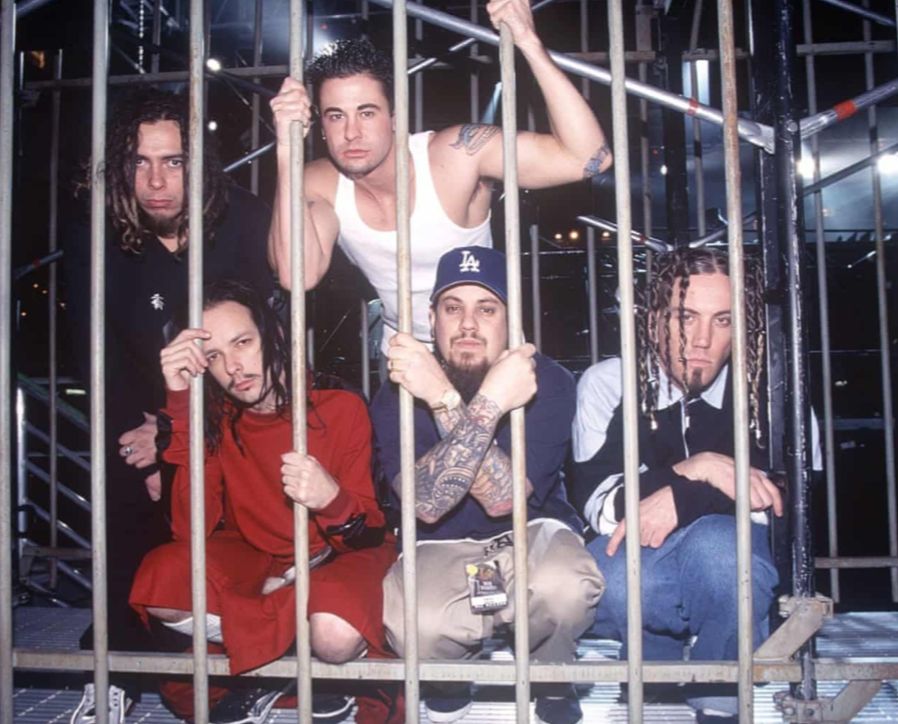
Unable to resist the urge to tour, Korn indulged in a promotional tour cynically dubbed "Korn Kampaign 98" in late August — another jab at American conservatism, in the image of glittering presidential campaign tours desperate for voters.
Shortly after, Korn appeared publicly in a military tank or medieval skullcap and treated fans to the "Family Values Tour", joined by Limp Bizkit, Incubus, Ice Cube, Orgy, and Rammstein.
A festival that explored the meaning of family across multiple bands, and of course the fans themselves — in the spirit of the "Got The Life" video, a grand invitation to chaos and a lovely jab at MTV.
A New Era — Issues 1999
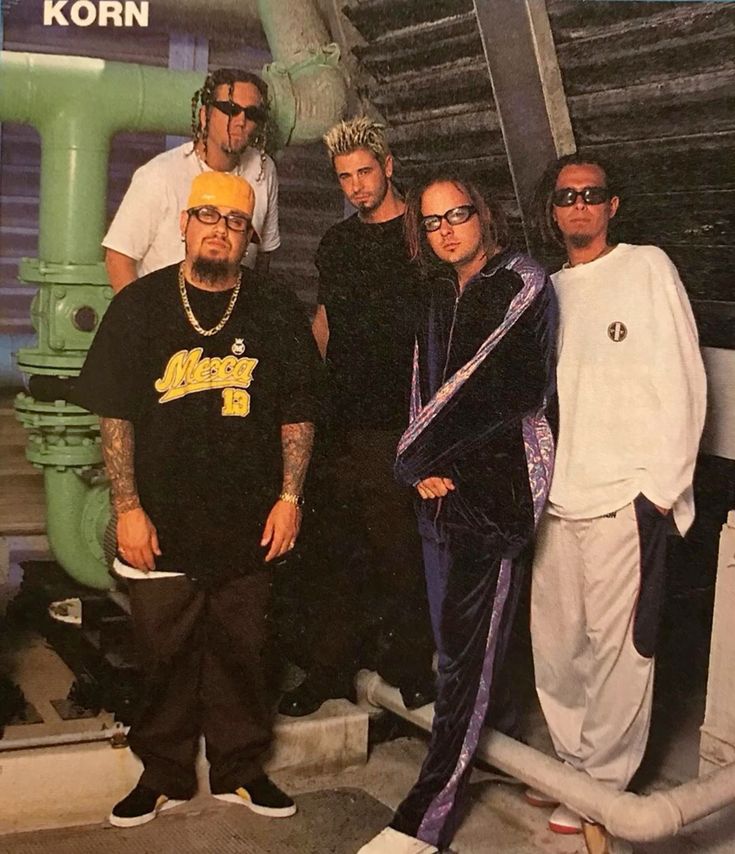
In 1999, the band returned with Issues, totally different from the previous album, showing a more melodic Korn that would disappoint some first-generation fans. The band then toured intensively — Silveria was briefly replaced by Mike Bordin (Faith No More) due to a health issue.
A short break followed, with Fieldy taking the opportunity to record a solo album while Jonathan Davis contributed to the soundtrack of the film Queen Of The Damned.
Untouchables & Take a Look in the Mirror
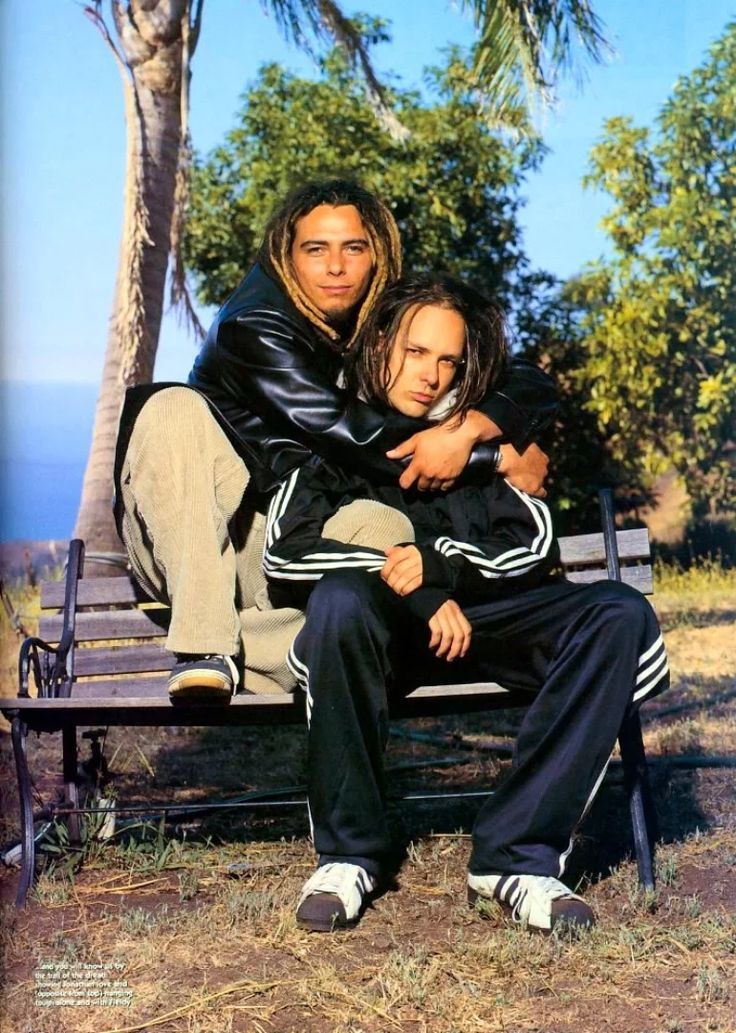
The year 2002 was marked by the release of Untouchables. Korn made room for melodies and effects; Jonathan Davis used, among other things, a recording technique normally reserved for classical music albums. The music became more melodic and the atmospheres more refined.
Two years later came Take a Look In The Mirror (2003), marking a return to basics with a more direct and raw sound. Produced by the band itself, it would be the last with the original lineup. It was followed in October 2004 by a Greatest Hits Vol. 1, containing some previously unreleased material including covers of Word Up! and Another Brick In The Wall.
Head Leaves the Ship — 2005
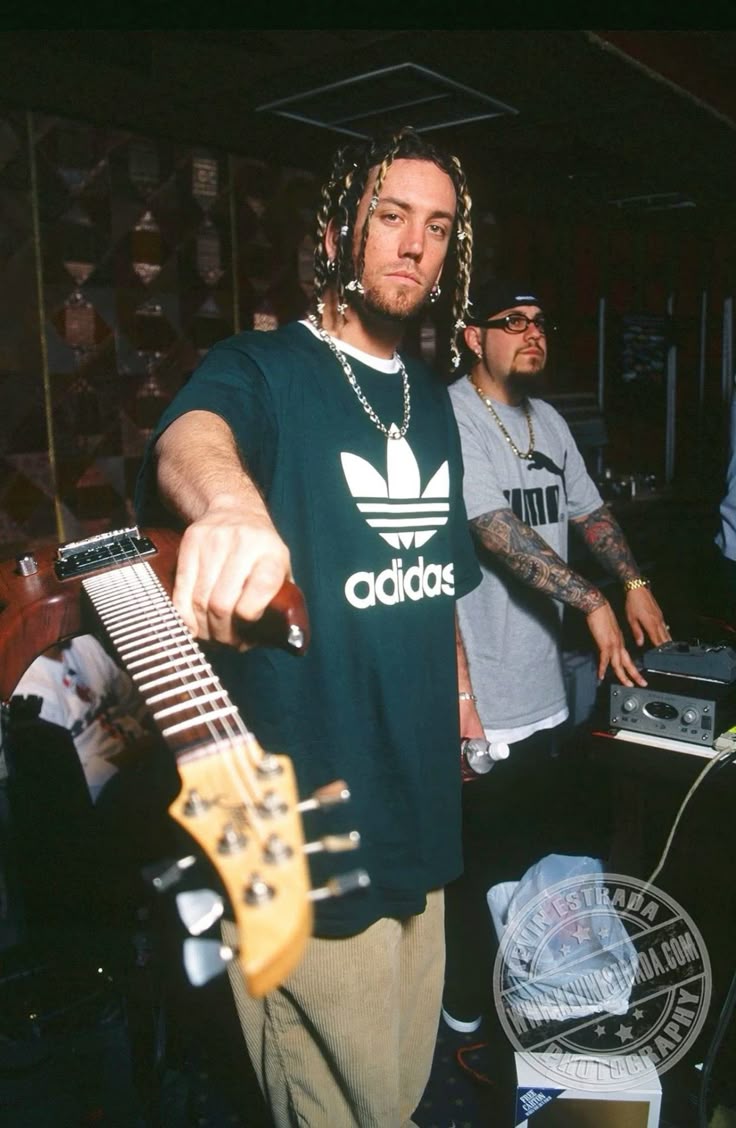
The year 2005 was marked by a bombshell. Brian Welch, alias Head, left the band to devote himself entirely to God, going so far as to completely renounce his past with Korn.
The band was no less motivated and recorded the double album See You On The Other Side, where fans were once again shaken, with compositions featuring very melodic passages and the emergence of electro and indie pop.
In 2006, Korn released Live And Rare. In March 2007 came MTV Unplugged, then in late July 2007, the album Untitled — featuring behind the kit Terry Bozzio (ex Frank Zappa) and Brooks Wackerman (Bad Religion).
Korn III — Back to Basics 2010
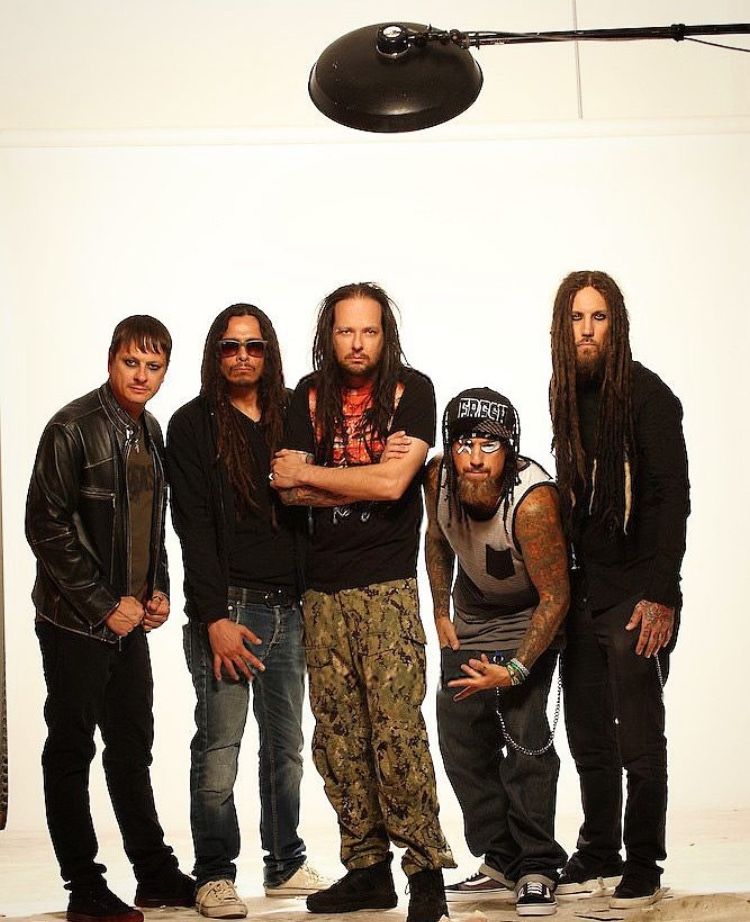
Three years passed and here we are in 2010. The long-awaited resurrection took place and Korn was reborn. The album Korn III Remember Who You Are appeared and, strangely, one had the impression of being back in 1994 — so much was this album THE slap of the year.
For production, Korn called on Ross Robinson (producer of the first two albums) and it was now Ray Luzier who we found behind the kit. Sharp guitar riffs, Davis's voice at the peak of his art, and an omnipresent heaviness on some tracks that could only reassure first-generation fans.
More than twenty years of career and many bands having launched themselves on the path traced by the Davis crew — it is impossible to deny the impact Korn has had on contemporary metal music.
The Boldness of Dubstep — 2011
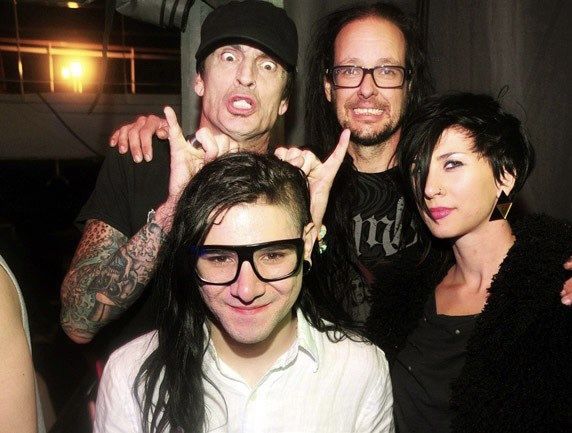
Emboldened by this fan-praised return to roots, Korn caught everyone off guard in 2011 with The Path of Totality, their tenth album. An assumed 180° turn: the band dove into the world of dubstep by collaborating with renowned electronic producers like Skrillex, Noisia, and Feed Me.
Jonathan Davis stated without hesitation: "We were doing dubstep before dubstep existed." The album debuted at the top of the Billboard Dance/Electronic Chart and confirmed once more that Korn belongs to no one but itself.
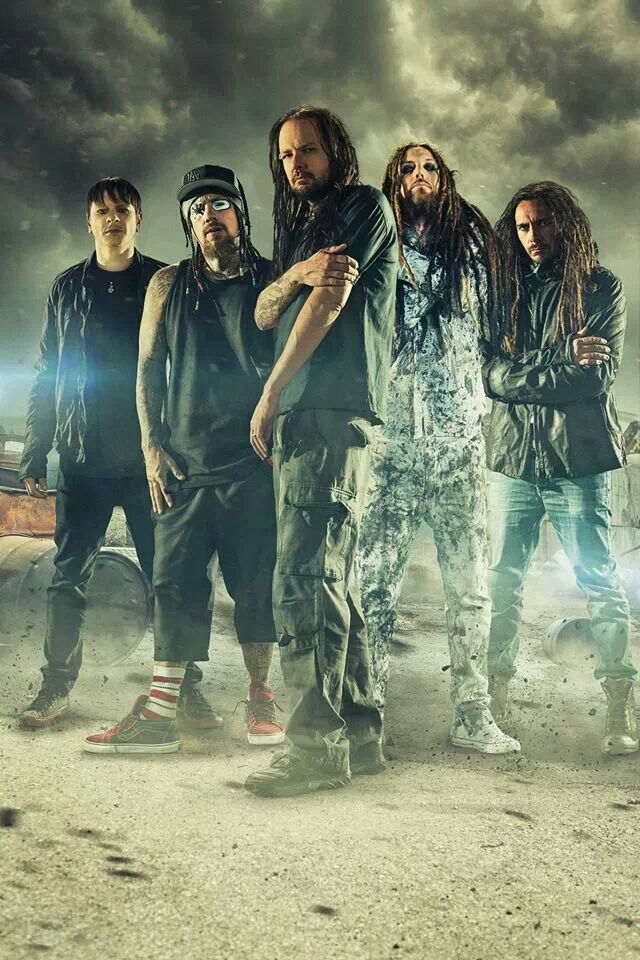
The Return of the Prodigal Son — 2013
May 2012. A concert in North Carolina. Brian « Head » Welch took to the stage to play « Blind » with his former bandmates. The venue exploded. A year later, his official return to the band was announced. The original lineup was almost reconstituted — missing only David Silveria, permanently replaced by Ray Luzier.
The Paradigm Shift appeared in October 2013, inspired by the melodic brutality of Issues and Untouchables. Fans found a complete, calmer, yet still incisive Korn. The album charted in the Top 10 in the United States, Germany, Austria, and Australia.
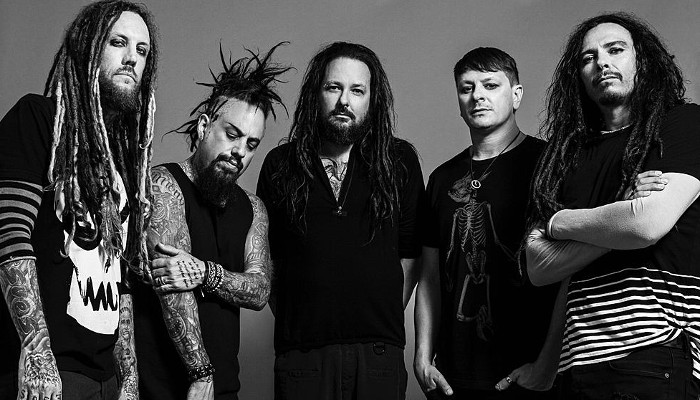
Suffering as a Driver — 2016 & 2019
The Serenity of Suffering (2016) marked the return to Roadrunner Records and featured a noted collaboration with Corey Taylor of Slipknot on « A Different World ». Korn proved that after more than twenty years of career, the machine was still capable of shaking the speakers.
Then came The Nothing (2019), perhaps the most painful album in their discography. Produced by Nick Raskulinecz, it was deeply influenced by the death of Jonathan Davis's wife in 2018. The pain is no longer simulated — it is raw, bare, real. Korn delivered one of their most personal albums, and one of the most moving of their career.
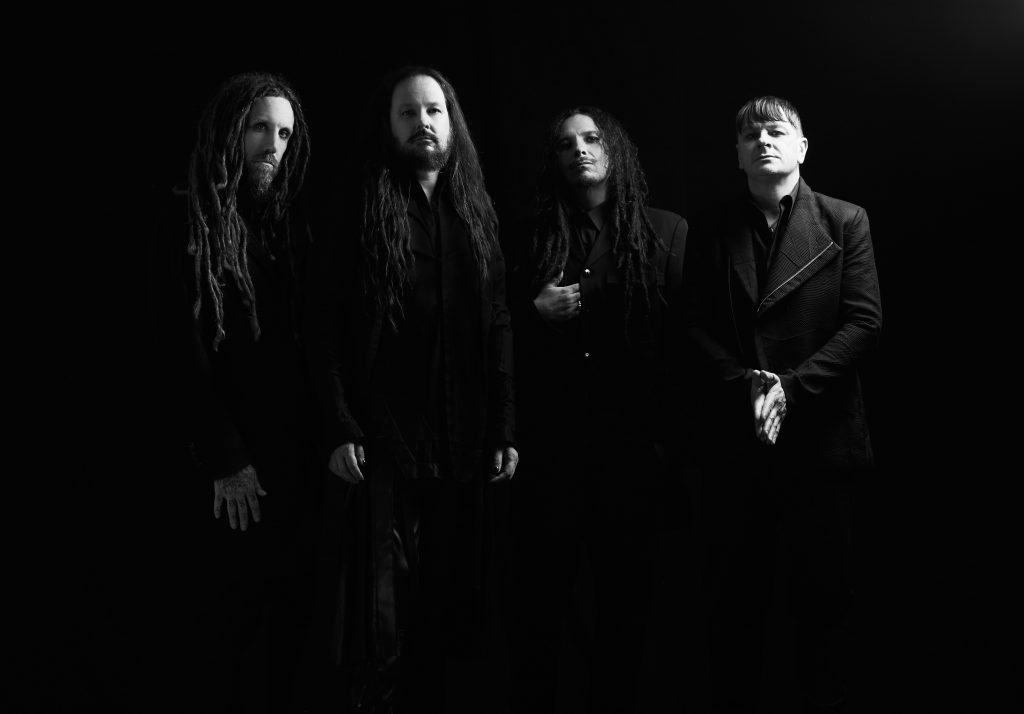
Requiem & The New Chapter — 2022–2026
Recorded during the COVID-19 pandemic, free from label constraints or deadlines, Requiem arrived on February 4, 2022. Nine concise, emotionally intense tracks confirming the evolution of a band that has learned to transform suffering into art.
The eve of its release, Korn organized an intimate concert at the Hollywood United Methodist Church — the Requiem Mass — inviting the public to bring a memento of a departed loved one. A rare, almost sacred moment.
That same period marked a turning point: Fieldy, founding bassist since 1993, parted ways with the band after recording Requiem. Roberto "Ra" Díaz stepped in as live bassist from late 2021. Far from a simple replacement, his chemistry with drummer Ray Luzier has breathed a fresh dynamic into Korn's creative process — two musicians building a rhythm section together for the very first time on record.
In 2024, the band headlined their largest-ever UK show at Gunnersbury Park, London, as part of a world tour celebrating the 30th anniversary of their debut album. Thirty years, and the crowd was bigger than ever.
Then in April 2026, Korn broke four years of studio silence with Reward the Scars, a ferocious new single recorded for Diablo IV: Lord of Hatred — their first studio track without Fieldy. Munky revealed the band has written close to 40 songs for their upcoming 15th album, recorded on analog tape, meticulously rewritten and rebuilt — with no release date set, but a clear ambition: to deliver something worthy of their legacy.
The phoenix, decidedly, never goes out.
All photographs used on this page remain the property of their respective owners and photographers. Used here for fan and informational purposes only, with no commercial intent. If you are the owner of any image and wish it to be removed, please contact us.
You can contribute or report missing information by contacting us at : webmaster@kornaddict.be